Tinned Fish Club for September 2026: José Gourmet Smoked Mackerel, Brīvais Vilnis Riga Sprats, Luças Sardines in Piri-Piri
This month was all about the small fry. Three little fish, three very different traditions: smoky mackerel from a Portuguese brand that hires artists to design its labels, Baltic sprats from a Latvian fishermen's collective, and fiery piri-piri sardines from one of the oldest canneries in Matosinhos.
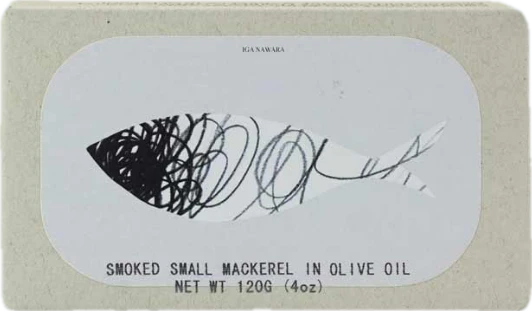
José Gourmet Smoked Small Mackerel in Olive Oil
José Gourmet is one of the names behind the modern revival of Portuguese conservas, and it treated the package as part of the product from day one. Founders Luís Mendonça and Adriano Ribeiro both had small kids drifting toward fast food, so they invited twelve children's book illustrators to design labels, hoping to make tinned fish something the whole family would reach for. That group has since grown to nearly ninety artists, and every label is signed.
The materials stay humble, grey cardboard and recycled paper, while the art runs from playful to abstract. Inside is just as simple: small mackerel, real smoke and good olive oil, and not much else. Simple on purpose, so the fish does the talking.
Smoked Mackerel Avocado Boats
Halve 2 ripe avocados, remove the pits and scoop out the flesh, keeping the shells intact. Cube the avocado with 1 small cucumber, ½ crisp apple and ¼ small fennel bulb, then add 2 Tbsp finely diced red onion and the mackerel, broken into bite-size pieces. Dress with the juice of 1 lime, 1 Tbsp olive oil, a pinch of chili flakes, salt and chopped cilantro. Toss gently, spoon back into the shells, and finish with lime zest and toasted pumpkin seeds or chopped almonds. Smoky, crisp and bright.
Brīvais Vilnis Riga Sprats in Oil
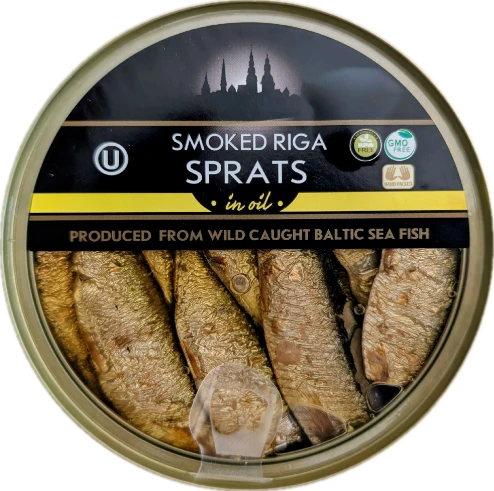
Where the Salaca River meets the Gulf of Riga, the town of Salacgrīva has been canning Baltic fish since 1949. Brīvais Vilnis began that year as a fishermen's collective, became a joint stock company in 1992, and is still the town's largest employer. It holds the rights to the Rīgas šprotes name, and the fish still go into every tin by hand.
Sprats are small, silvery members of the herring family, rarely more than a few inches long, caught wild in the Baltic. They are smoked, then sorted and laid into the tin in neat rows before the oil goes in. The result is rich and savory with a famously tender texture and soft, edible bones. Latvians have canned them this way since the late 1800s, and they are still a fixture on Baltic tables, usually piled onto buttered dark rye with boiled egg and a pickle.
Dill & Cornichon Sprat Canapés
Slice a baguette into thin rounds and toast until crisp. Hard-boil 4 eggs, cool, and finely grate, then mix with ¼ cup mayonnaise and a pinch of salt and pepper. Spread the egg mayo over each slice and top with 2 sprats. Finish with fresh dill and thinly sliced cornichons. Smoky, creamy and briny: the perfect little bite.
Luças Sardines in Olive Oil and Piri-Piri

Joaquim Ferreira Pedro Luças founded his cannery in 1896 in Matosinhos, Portugal's great sardine port. The earliest tins held sardines and salt-pressed anchovies, packed by hand with no sterilisation at all, and the handwork never went away. These sardines are still selected at the harbor and cleaned by hand.
They are preserved in olive oil with piri-piri, the small chili that became part of Portuguese cooking through the country's old trade links with Africa and the wider spice routes. Expect tender, rich sardines, fragrant oil and just enough heat to keep things interesting.
Crispy Sardine Spaghetti
Cook 8 oz spaghetti in salted water, reserving 1 cup of pasta water. Lift the sardines from the tin, keeping the oil. Mash them, spread on a parchment-lined baking sheet, and bake at 450°F for 10 to 15 minutes until crisp. Top up the sardine oil with olive oil to make ¼ cup, warm it in a skillet, and cook a few sliced garlic cloves until golden. Add the spaghetti, 2 Tbsp chopped green olives and ¾ cup pasta water, tossing until glossy. Off the heat, stir in chopped parsley and ¼ cup grated Parmesan (or crispy breadcrumbs). Top with the crispy sardines, lemon zest and capers. Briny, garlicky and spicy, with a light crunch.
Tried one of these? Share it with @tinnedfishclub on Instagram or on r/tinnedfish.
The world's best tinned fish, on your table every month.
Three curated tins from small canneries in Portugal, Spain, Denmark and beyond, with the recipes and maker stories that go with them.
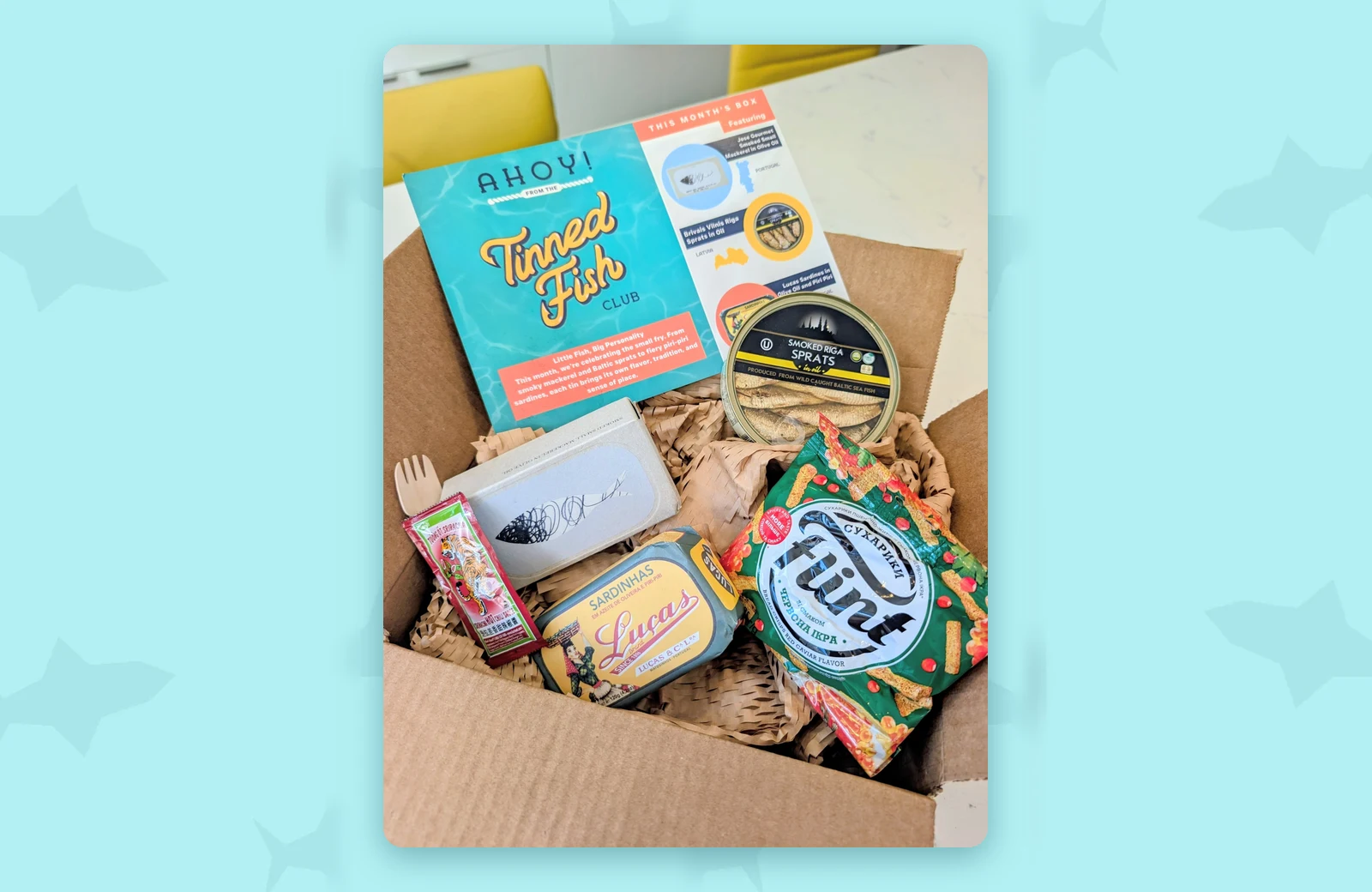
Tinned Fish Club for September 2026: José Gourmet Smoked Mackerel, Brīvais Vilnis Riga Sprats, Luças Sardines in Piri-Piri
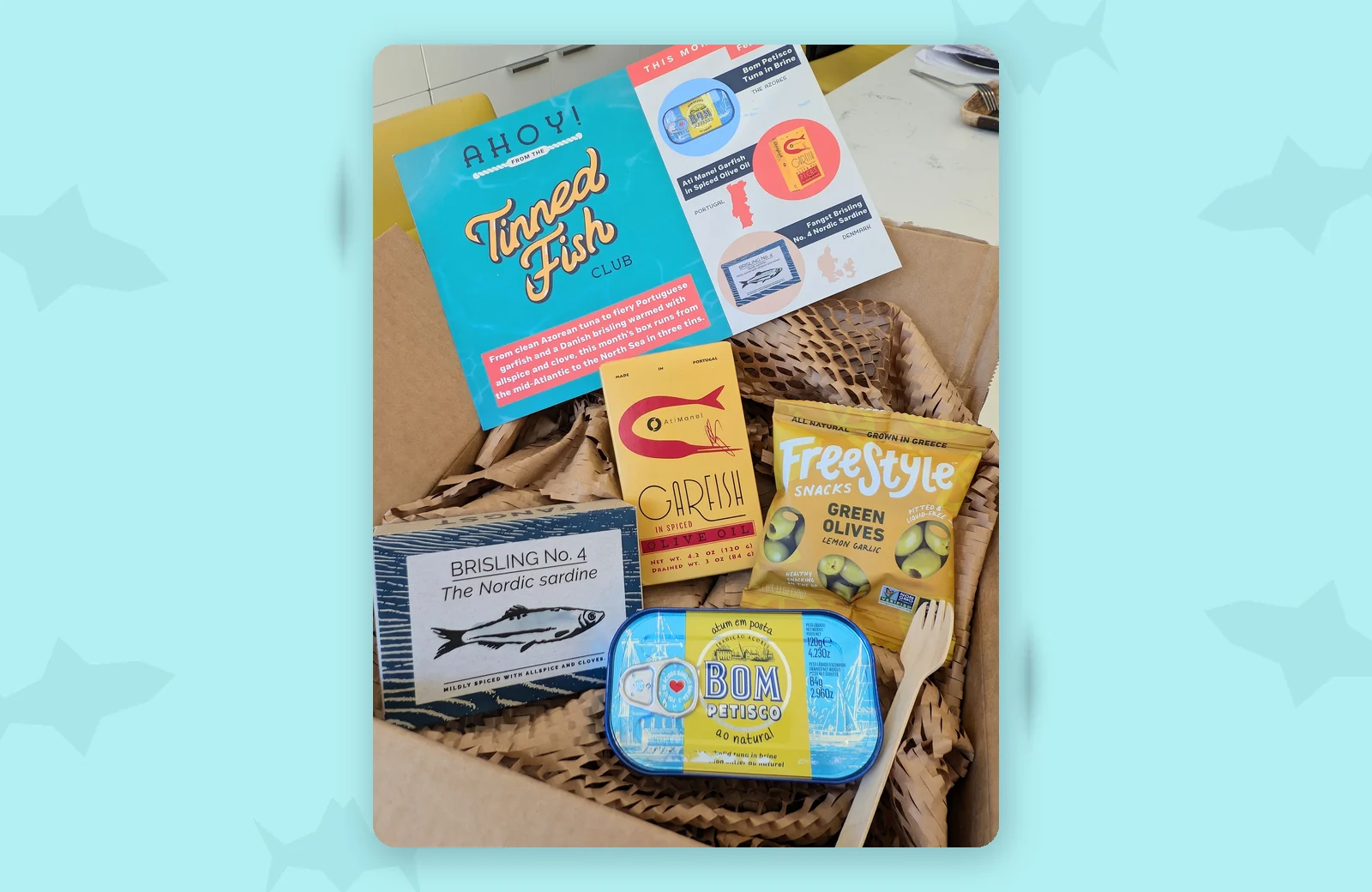
Tinned Fish Club for August 2026: Bom Petisco Tuna in Brine, Ati Manel Garfish in Spiced Olive Oil, Fangst Brisling No. 4