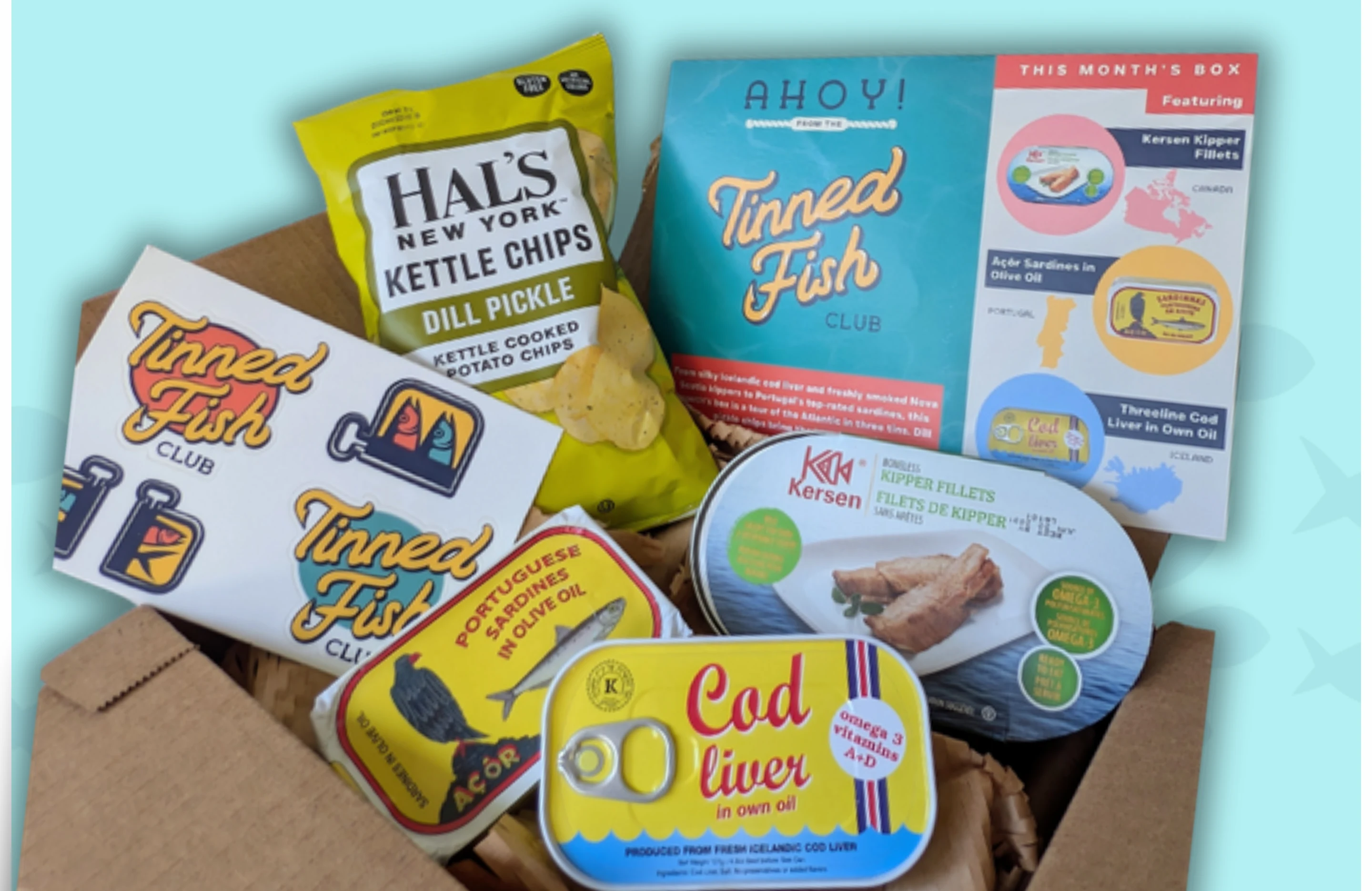
Tinned Fish Club for July 2026: Kersen Kipper Fillets, Açôr Sardines in Olive Oil, Threeline Icelandic Cod Liver
Kersen Kipper Fillets
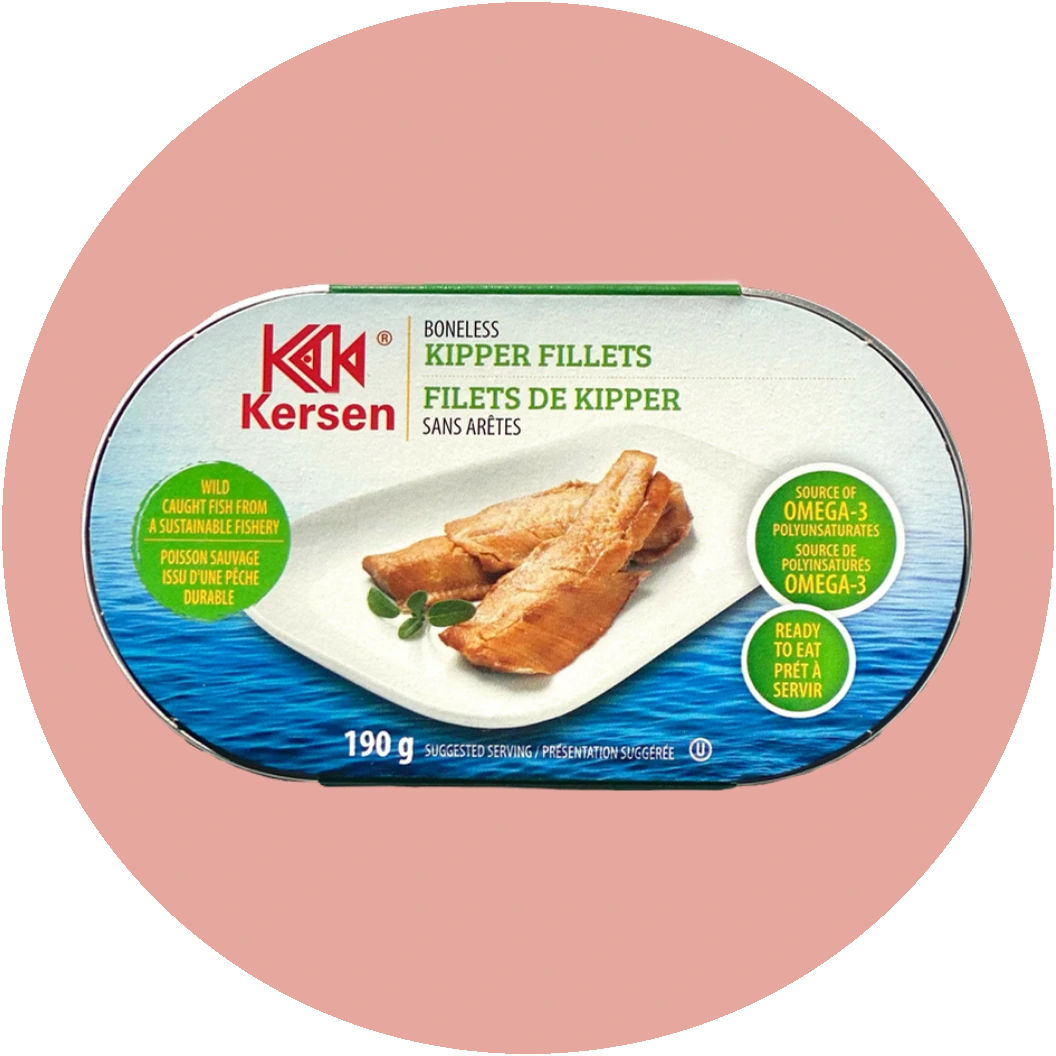
Herring is one of the North Atlantic's great working fish, traveling in dense silver schools and anchoring the marine food web. A kipper is not a different species. It is herring transformed by salt and smoke, and herring's naturally rich flesh is especially suited to the process, staying tender while taking on deep hardwood flavor. Kippers have been a breakfast staple in Britain and Canada for generations, and this batch keeps the tradition close to home.
Freshly caught Bay of Fundy herring was delivered to Kersen's waterfront cannery in Yarmouth, Nova Scotia, where it was naturally smoked without chemicals or additives, hand-packed, canned, and shipped straight to us. Expect boneless fillets with soft flakes, clean ocean salinity, and a mellow campfire finish.
Maritime Kipper Fish Cakes
Mash 1 large cooked potato and let cool slightly. Drain and flake the kippers, then fold them into the potatoes with 1 beaten egg, sliced green onion, a spoonful of Dijon, a squeeze of lemon, and cracked black pepper. Shape into 6 small cakes and coat lightly with breadcrumbs. Heat a thin layer of butter or oil in a skillet over medium heat and cook for 3 to 4 minutes per side, until crisp and golden. Serve with a fried egg for breakfast or tangy pickles on the side.
Açôr Sardines in Olive Oil
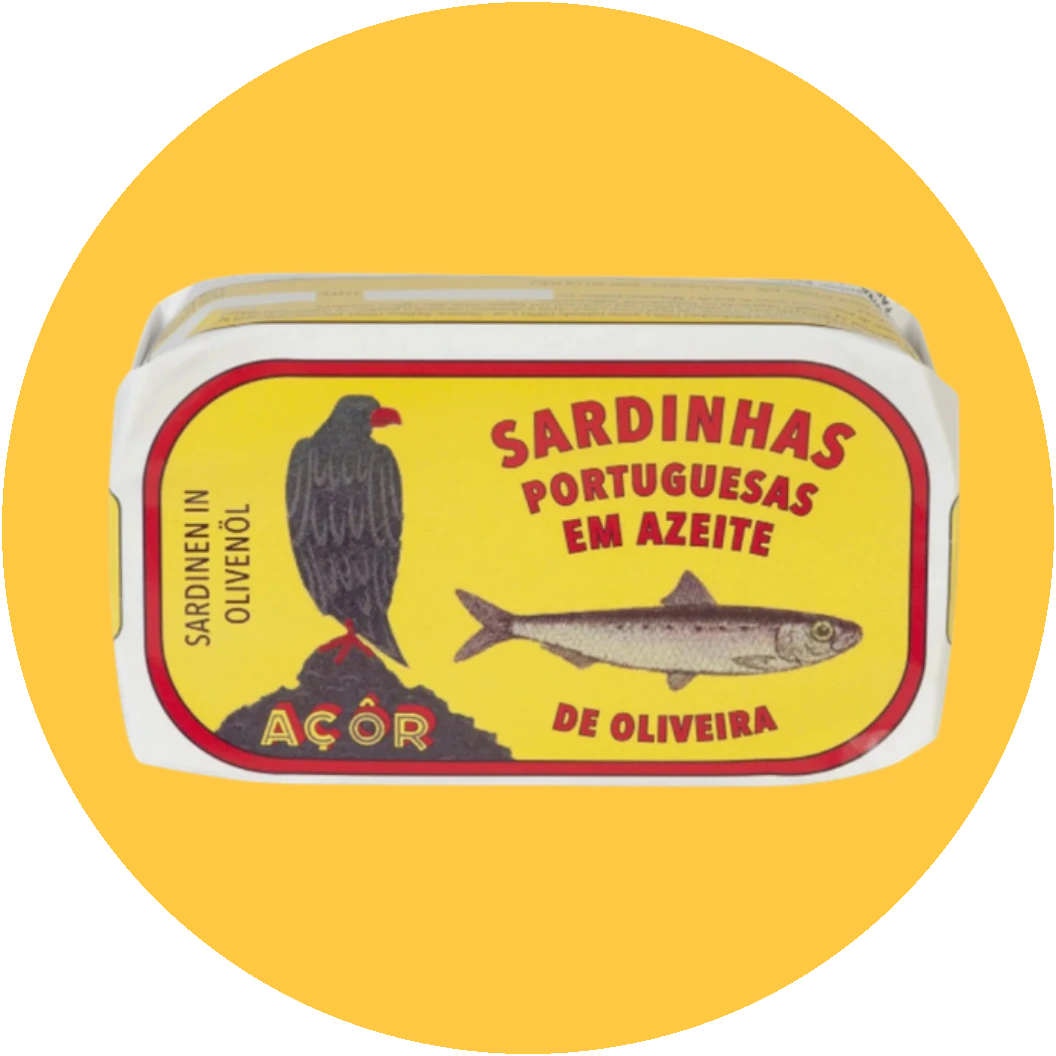
In 2026, The New York Times' Wirecutter tasted 59 tins and named Açôr its Best Overall Sardine, praising the pristine appearance, firm texture, gentle flavor, and tiny, barely noticeable bones. We were lucky to secure enough of this newly crowned tin to share with the club. Açôr, Portuguese for goshawk, began in the 1930s as a premium brand of Lisbon distributor P. Martins. The historic label was later revived, and Faropeixe now develops it in Olhão, in the Algarve, complete with its striking Art Deco bird-and-fish design.
Inside, the recipe is beautifully simple: sardines, olive oil, and salt. The fish are silvery and carefully packed, with a meaty bite and a clean, balanced flavor that lets the sardine take center stage. Open the tin carefully. These are sardines worth admiring before the first bite.
Salada Montanheira com Sardinha
This fresh tomato-and-oregano salad is traditionally served with sardines in southern Portugal. Dice 2 ripe tomatoes, ½ a cucumber, ¼ green bell pepper, and a little red onion. Toss with a splash of red wine vinegar, a drizzle of good olive oil, dried oregano, salt, and black pepper. Let sit for 10 minutes so the flavors mingle. Spoon the salad onto a plate, arrange the sardines over the top, and finish with a little olive oil from the tin. Serve with crusty bread to catch the juices.
Threeline Cod Liver in Own Oil
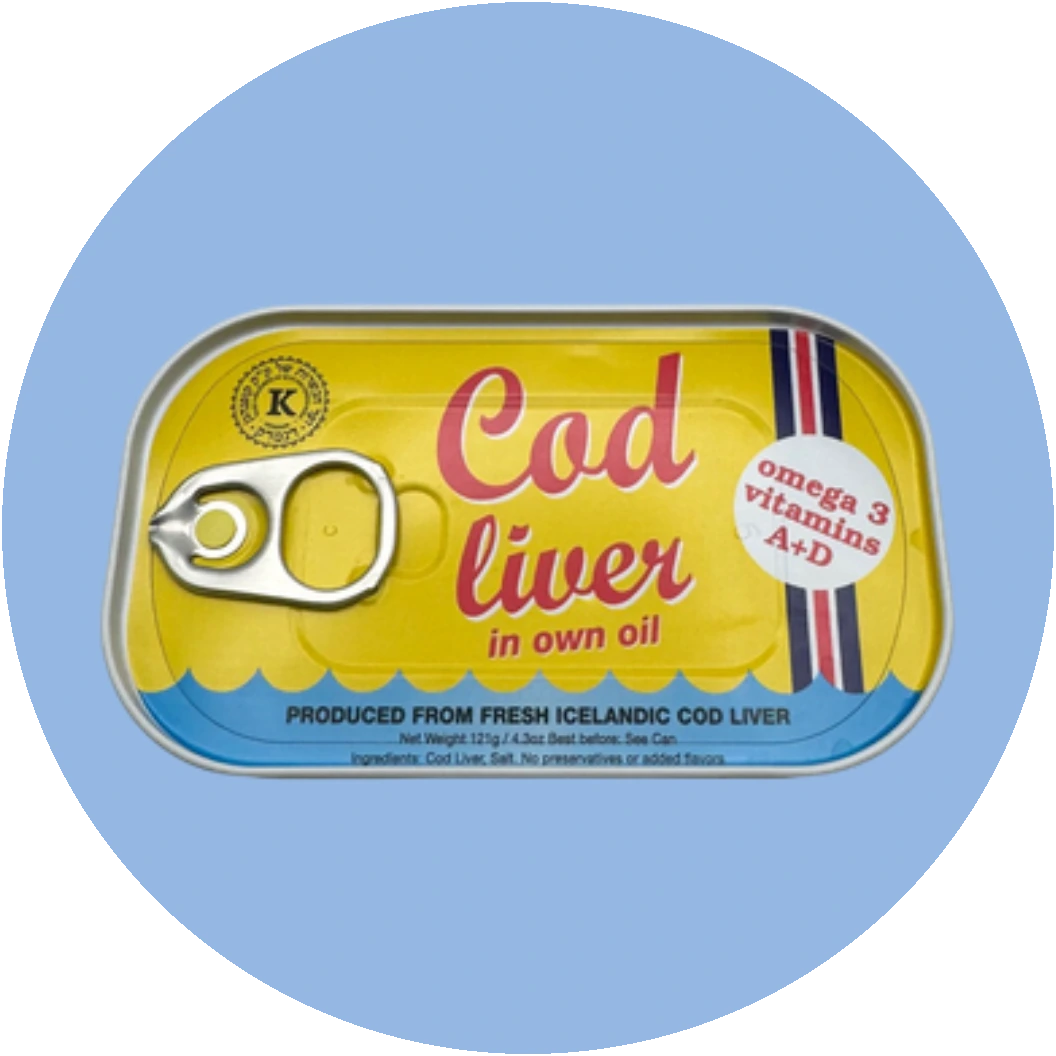
Cod liver oil may be familiar from bottles and capsules, but the story begins with the liver itself. In Iceland, records of rendering cod liver into oil date to at least 1728, when fish livers were heated in simple cast-iron pots to release their oil. Atlantic cod is Iceland's most iconic fish, woven into the country's economy and maritime culture, and cod liver naturally carries omega-3 fatty acids and vitamins A and D.
This remarkably simple tin contains fresh Icelandic cod liver, its own naturally released oil, and salt. Expect something closer to pâté than a flaky fish fillet: soft, buttery, mild, and gently briny. Try it with lemon, mustard, pickles, or crisp toast for a rich little taste of Iceland.
Cod Liver Pickle-Chip Bites
Stir together a spoonful of crème fraîche or sour cream with Dijon mustard and a squeeze of lemon. Place a small piece of cod liver on each dill-pickle chip, add a tiny dollop of the mustard cream, and finish with thinly sliced red onion, fresh dill, and cracked black pepper. Assemble just before serving so the chips stay crisp. The result is buttery, tangy, briny, and crunchy. It's the ideal introduction for anyone still feeling a little liver-shy.
Dill Pickle Chips
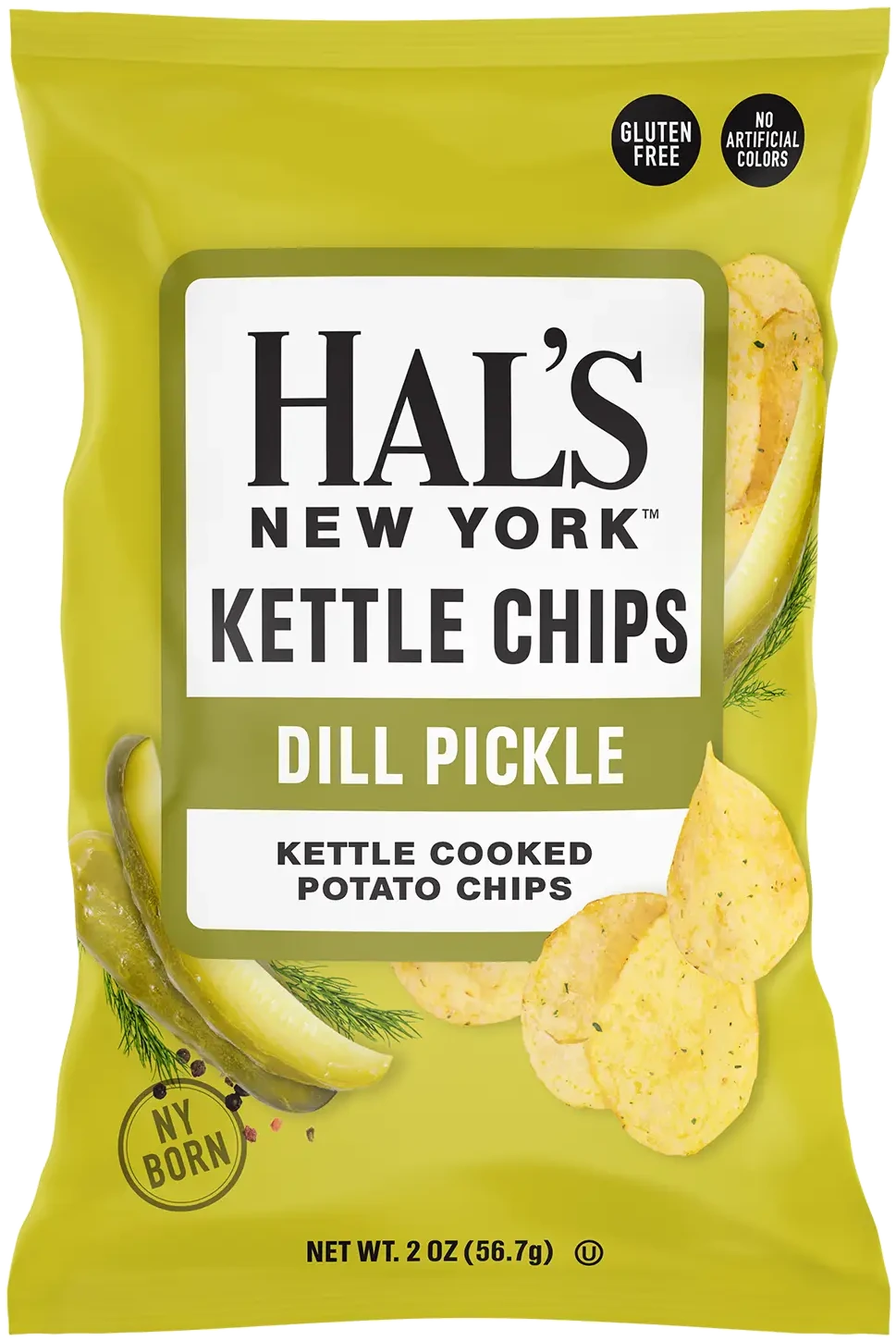
This month's snack brings the tangy crunch. Hal's New York dill pickle kettle chips are thick-cut, kettle-cooked, and sharp enough to stand up to a rich tin. They are excellent straight from the bag, and they are the base for the cod liver bites above.
The pairing is not an accident. A dill pickle chip is already doing half the work of a good tinned fish plate: salt, acid, and crunch. Set a bowl of them next to an open tin and you have most of a snack board without cooking anything.
The world's best tinned fish, on your table every month.
Three curated tins from small canneries in Portugal, Spain, Denmark and beyond, with the recipes and maker stories that go with them.
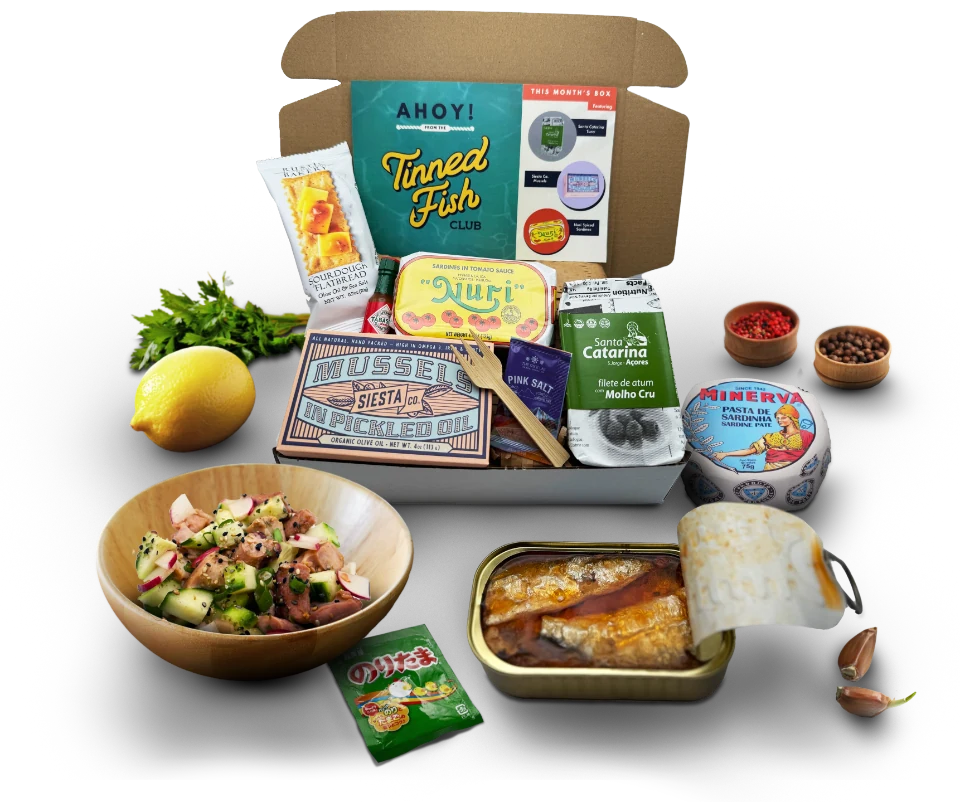
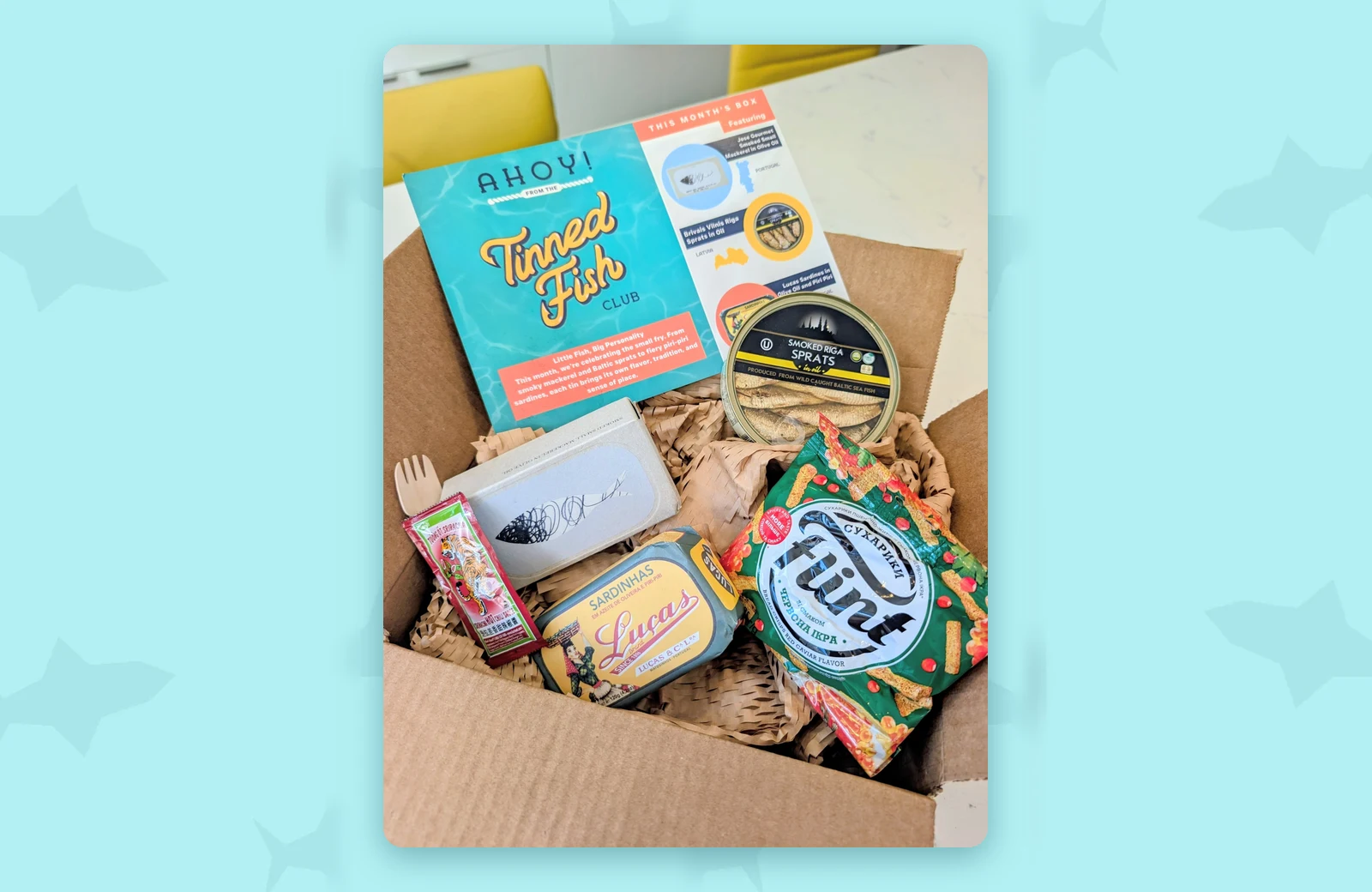
Tinned Fish Club for September 2026: José Gourmet Smoked Mackerel, Brīvais Vilnis Riga Sprats, Luças Sardines in Piri-Piri
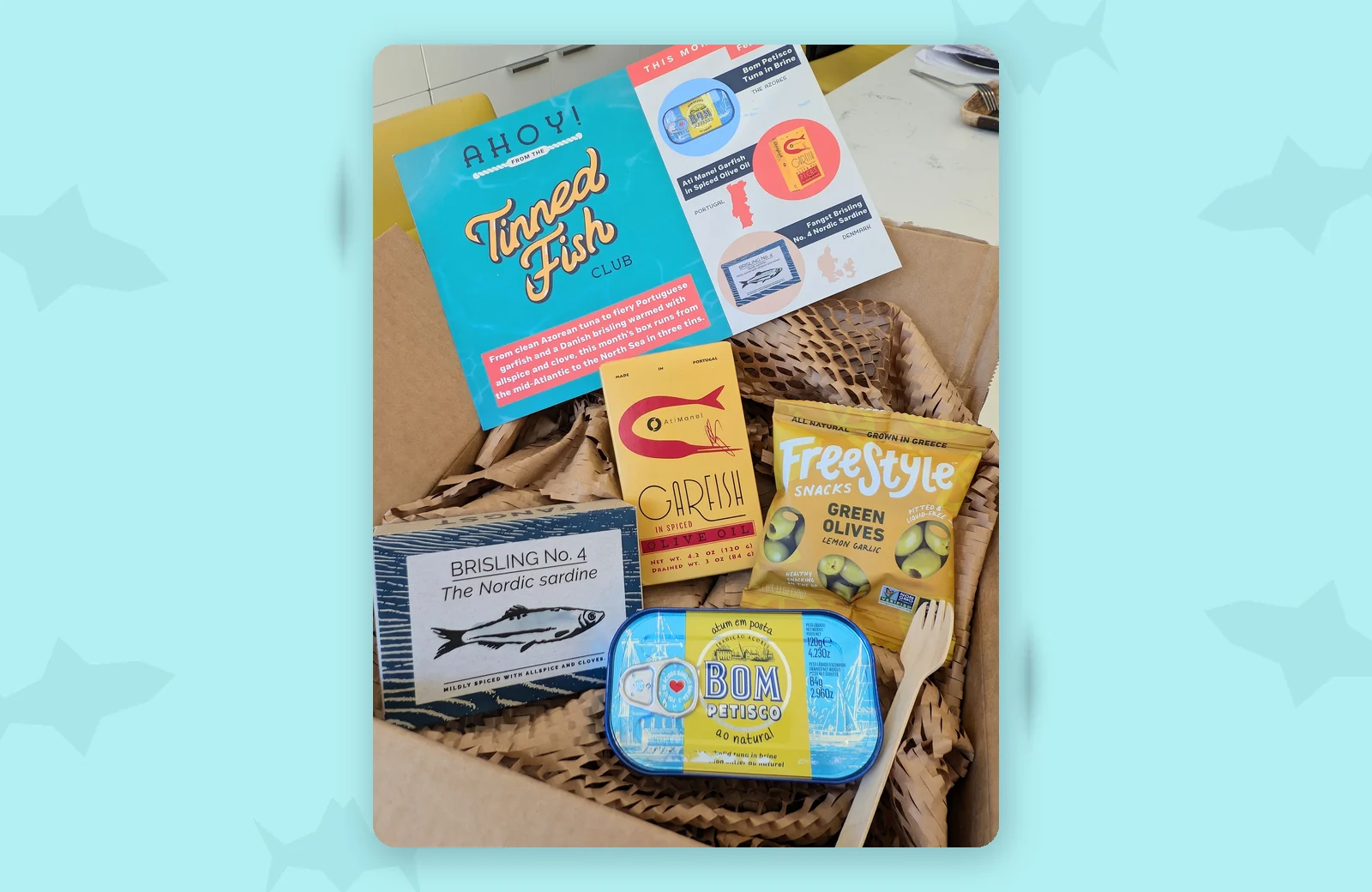
Tinned Fish Club for August 2026: Bom Petisco Tuna in Brine, Ati Manel Garfish in Spiced Olive Oil, Fangst Brisling No. 4