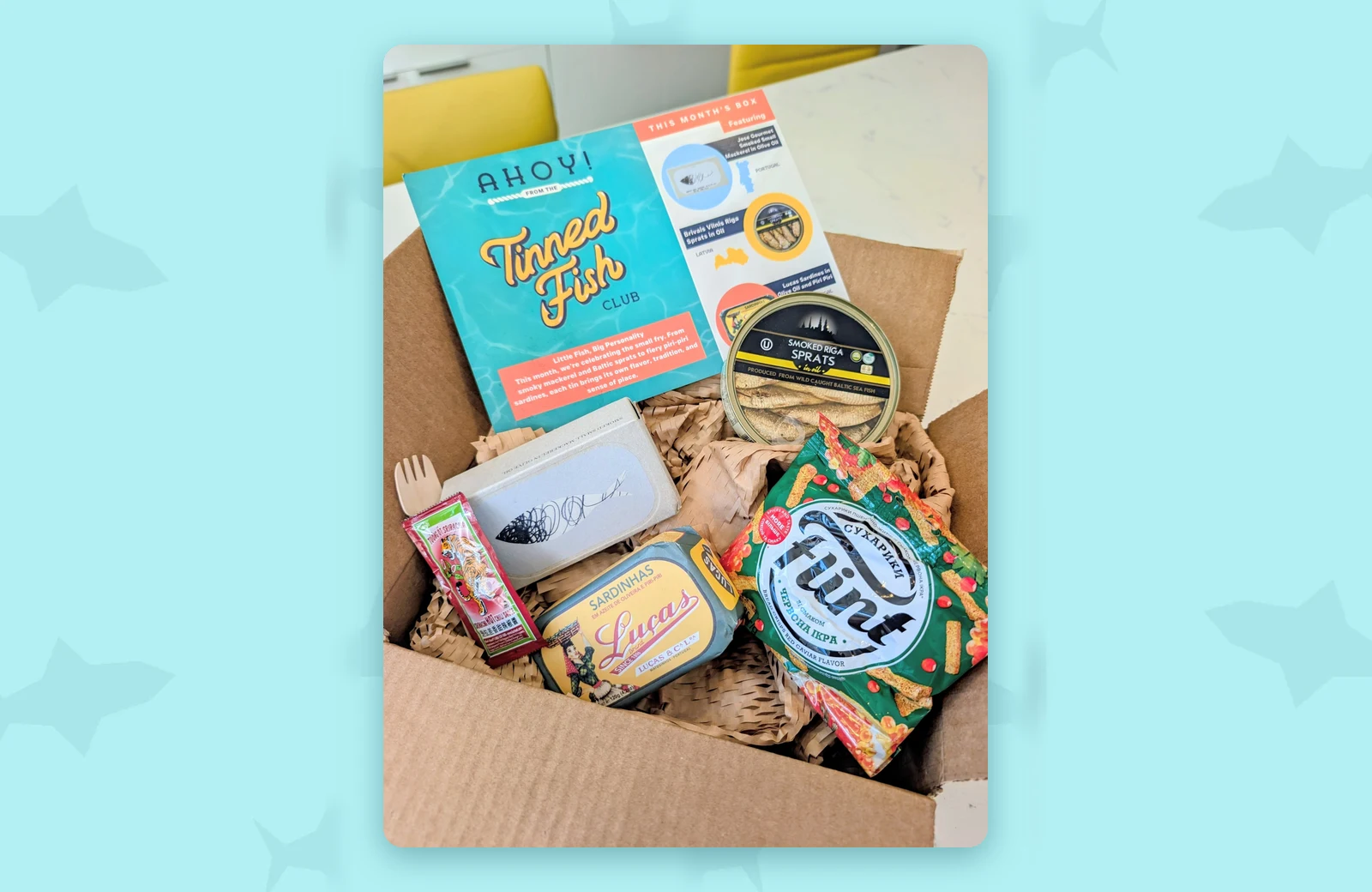
Tinned Fish Club for October 2026: La Barca Octopus, Ramirez Tuna with Red Beans & Corn, King Oscar Salmon
From Spain to Portugal to Norway, October took us on a delicious coastal tour. Three very different tins bring together Spanish tradition, Portuguese pantry cooking and Norwegian craftsmanship: hand-packed Galician octopus, a ready-to-eat tuna salad from the oldest continually operating cannery in the world, and skinless, boneless Atlantic salmon from a brand with a royal seal of approval.
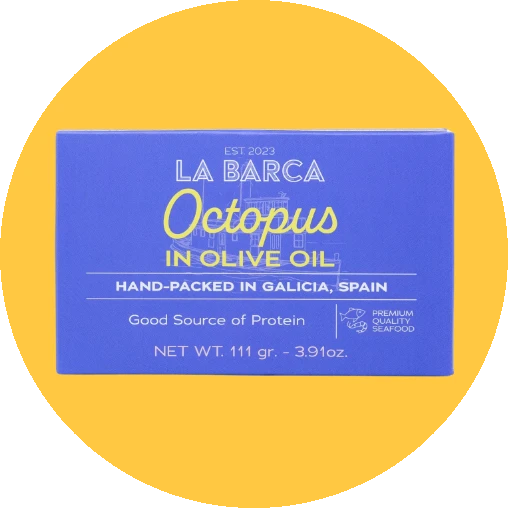
La Barca Octopus in Olive Oil
From Galicia's dramatic Atlantic coastline comes one of Spain's most beloved seafoods: pulpo, or octopus. La Barca's tender octopus is cleaned and hand-packed in Galicia with olive oil and sea salt, preserving its delicate brininess, slightly sweet flavor and wonderfully meaty texture.
Octopus has long been a star of Galician cooking, especially in Pulpo a la Gallega, a traditional tapas dish of octopus, potatoes, paprika, olive oil and salt. The beauty of this tin is that the hard work is already done. No tenderizing, lengthy cooking or wrestling with a whole octopus required. Just open and enjoy it straight from the tin, or give it a quick sear for a taste of Galicia at your own table.
Smoky Galician Octopus & Potato Bites
Slice 2 boiled potatoes into rounds and pan-sear them in olive oil until golden and crisp. Add the La Barca octopus for the last few minutes, just long enough to warm and lightly char the edges. Arrange the potatoes on a plate, top each with a piece of octopus, and finish with a sprinkle of smoked paprika, flaky sea salt, finely chopped parsley and a drizzle of the tin's olive oil. Serve warm as tapas.
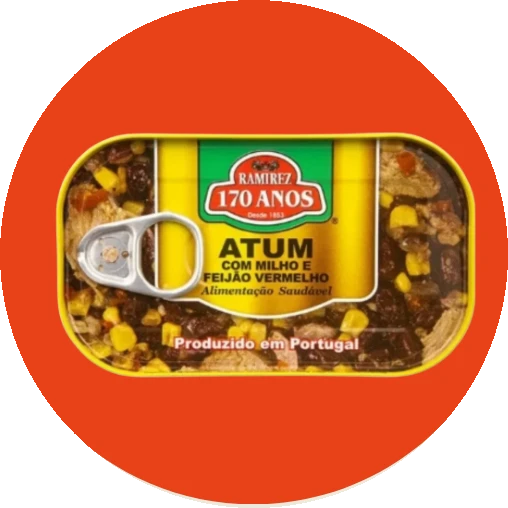
Ramirez Tuna with Red Beans and Corn
Founded in 1853 by Sebastian Ramirez in Vila Real de Santo António, Conservas Ramirez is the oldest continually operating fish cannery in the world, and the first in Portugal. Five generations later, the family business is still finding ways to balance tradition with innovation. Ramirez was an early pioneer of modern canning, introducing new equipment and technologies that helped transform the way seafood was preserved and produced. Fun fact: Ramirez launched the world's first easy-to-open fish can with a ring-pull end. Talk about being ahead of the can-opening curve!
Today, more than 170 years of experience goes into tins like this colorful tuna salad, combining tender tuna with sweet corn and hearty red beans in a lightly seasoned dressing. It's ready to eat straight from the tin.
Tuna, Bean & Corn Toasts
Spoon the entire tin into a bowl and gently break up the tuna while keeping some larger pieces intact. Fold in a handful of chopped parsley, a squeeze of lemon and a few thinly sliced green onions. Toast thick slices of crusty bread, then rub lightly with a cut garlic clove. Spoon the tuna, red bean and corn mixture over the toast and finish with cracked black pepper and a drizzle of olive oil. Bright, hearty, crunchy, and ready before you can say bom apetite.
King Oscar Salmon in Olive Oil
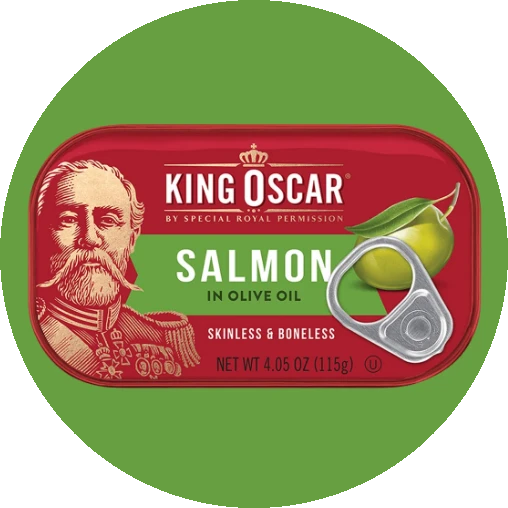
King Oscar's roots stretch back to the small fishing canneries of Stavanger, Norway, in the 1870s. In 1893, the company's sardines made their way to the Chicago World's Fair, introducing Norwegian tinned seafood to an international audience. Then, in 1902, came the royal connection: by special permission, the company was granted the right to put Norway's King Oscar II's name on its tins.
More than a century later, that heritage lives on in tins like this one. This rich Atlantic salmon is sourced from the cold waters of the North Atlantic off Norway, then carefully trimmed skinless and boneless and hand-packed in olive oil. The result is tender and wonderfully simple: just salmon, olive oil and salt.
Salmon, Orzo & Feta Salad
Cook 2 oz orzo according to package directions, then drain. In a bowl, combine the orzo with 1 tin King Oscar Salmon in Olive Oil, ¼ cup sun-dried tomatoes, ⅓ cup cubed feta and ½ avocado, cubed. Add a squeeze of lemon juice, and if you like, a splash of soy sauce and red wine vinegar. Gently toss everything together, seasoning with salt and pepper to taste. Serve warm or cold.
Tried one of these? Share it with @tinnedfishclub on Instagram or on r/tinnedfish.
The world's best tinned fish, on your table every month.
Three curated tins from small canneries in Portugal, Spain, Denmark and beyond, with the recipes and maker stories that go with them.
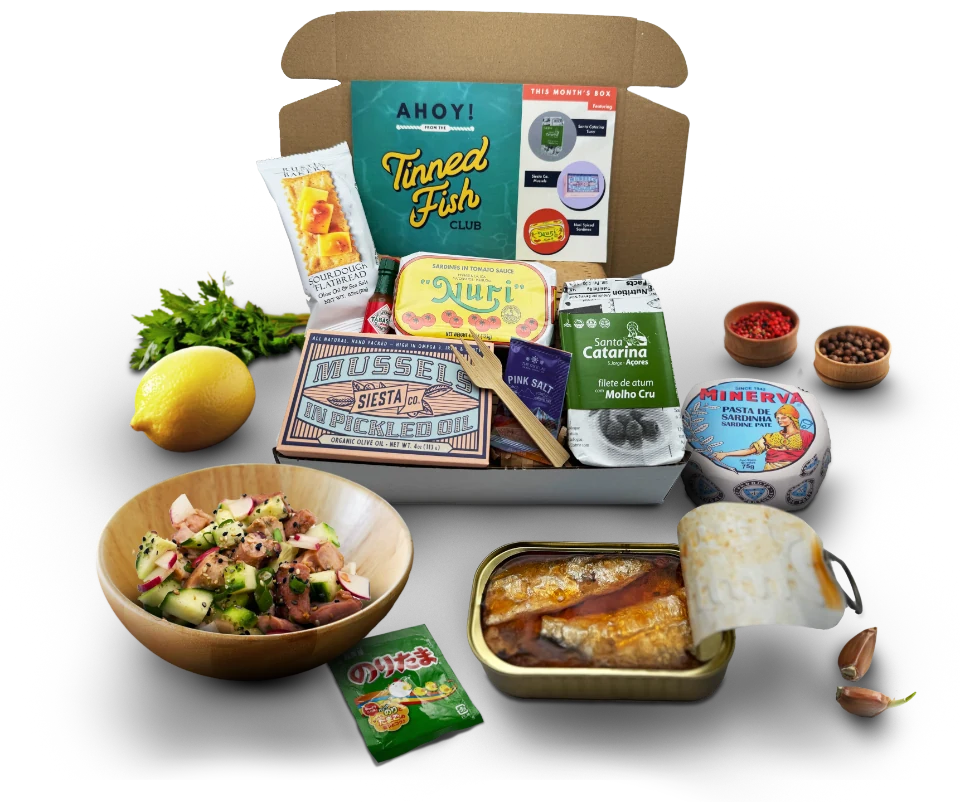

Tinned Fish Club for October 2026
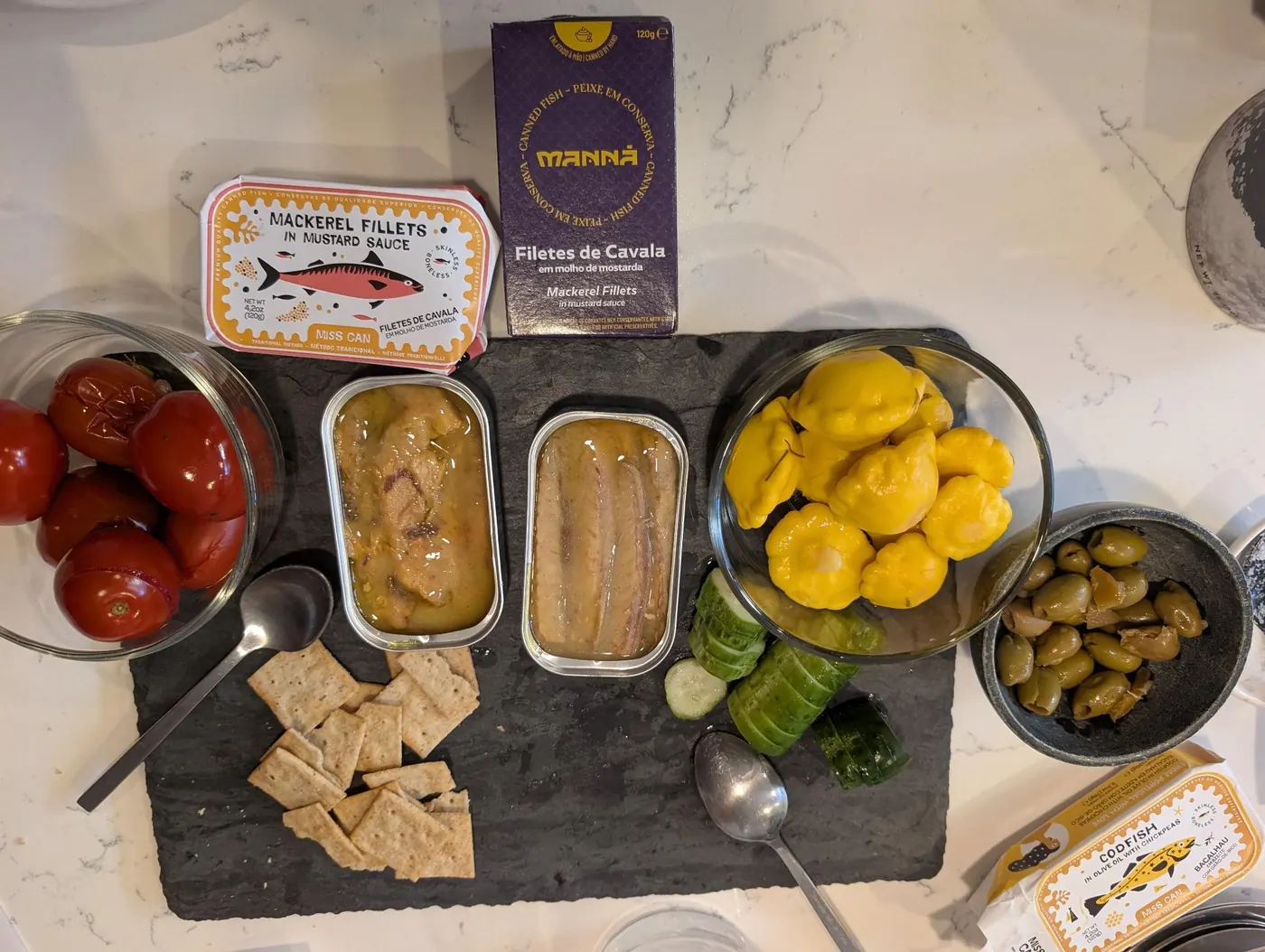
Our Tinned Fish Taste Test Results
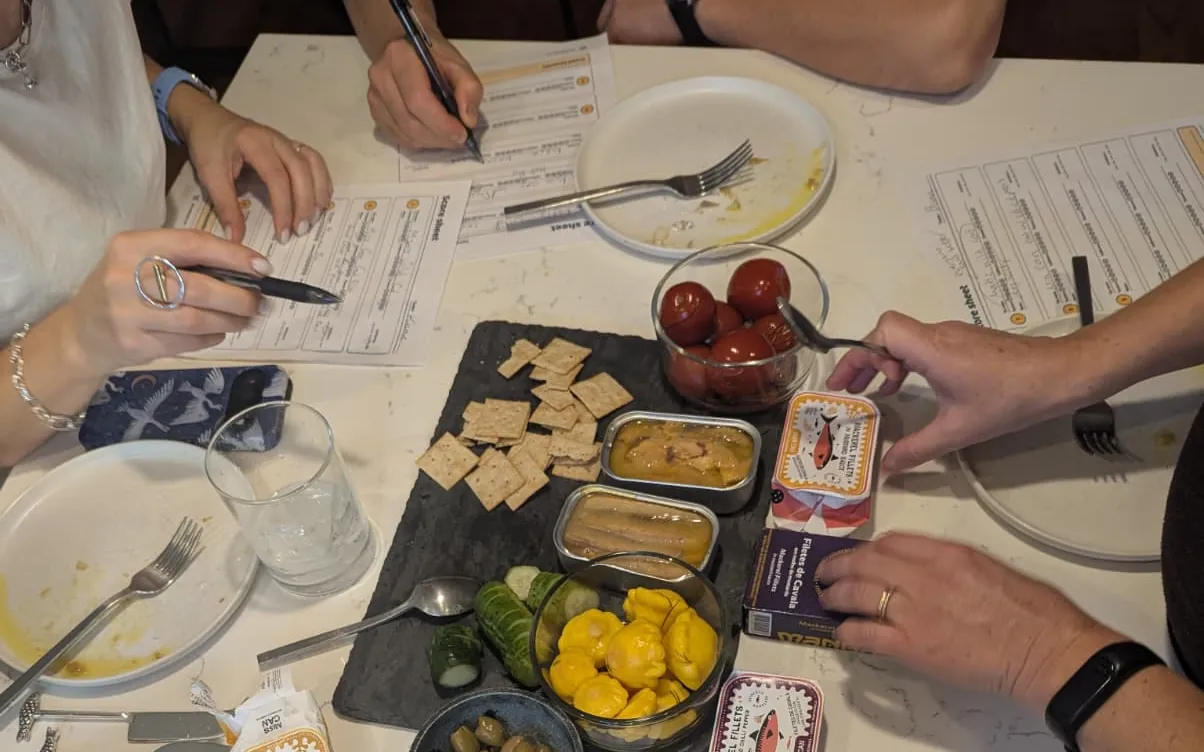
How to Host a Tinned Fish Tasting Party