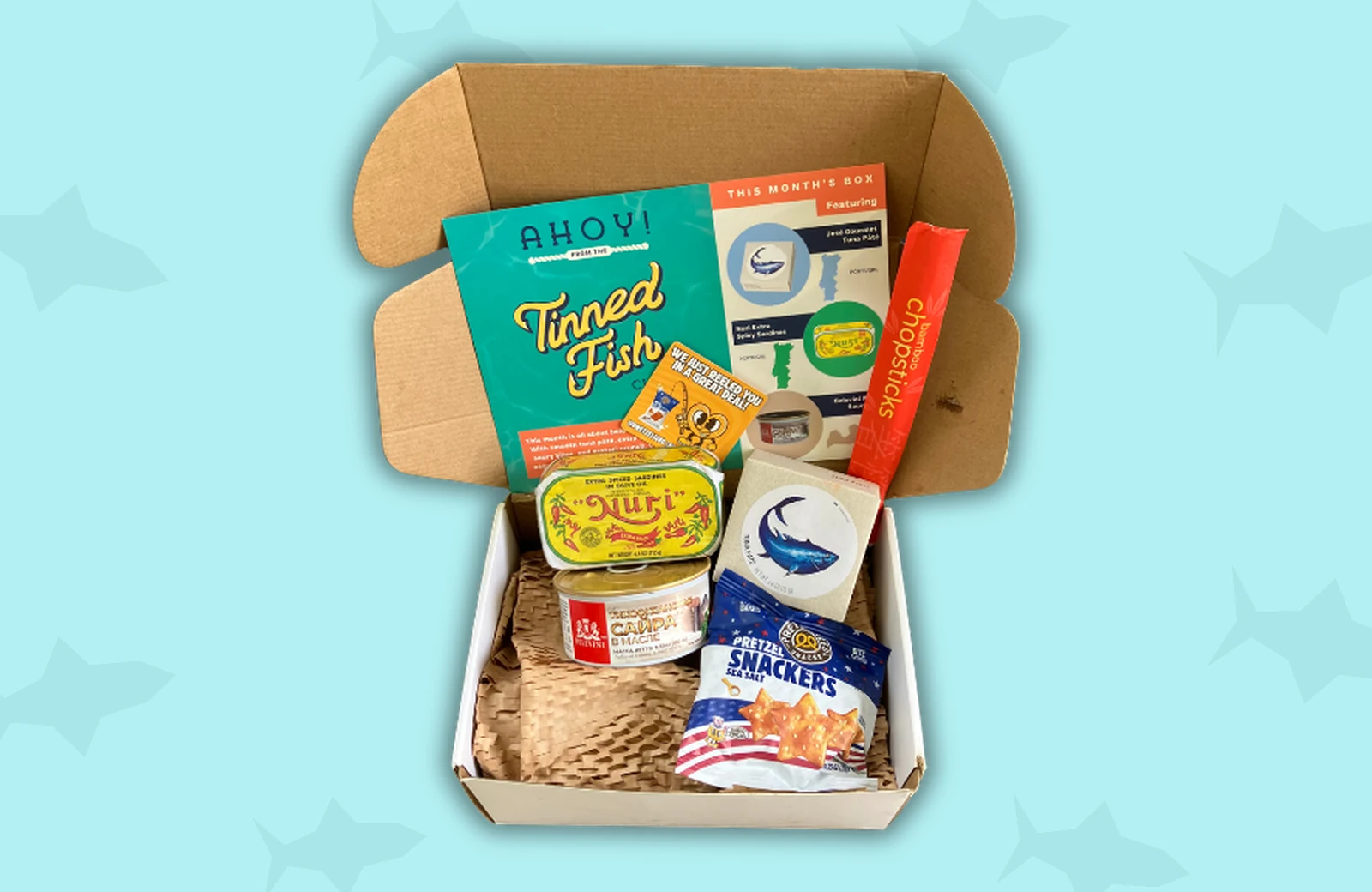
Tinned Fish Club for December 2025: Fangst Nordic Brislings, Santa Catarina Tuna Filets, and Cabo de Peñas Sardines
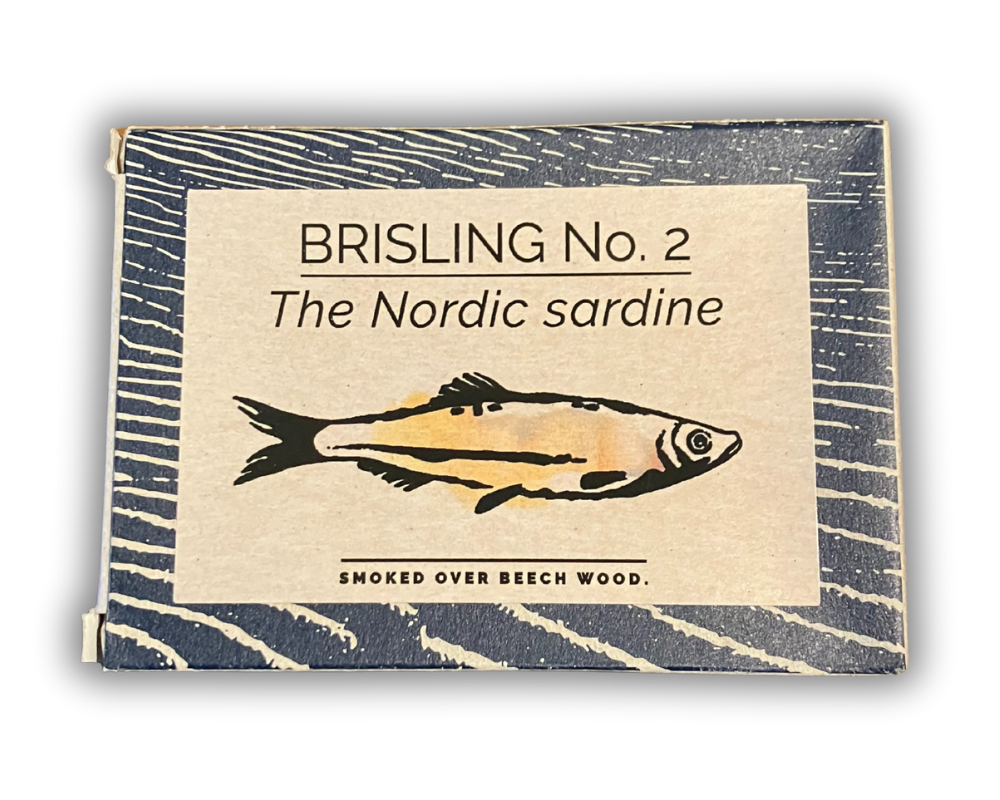
Fangst Nordic Brislings
Fangst (meaning “catch” in Danish) honors old-world Nordic fishing traditions. Nordic sardines are among the smallest in the world, and these tender brislings are sourced from frigid Scandinavian waters and delicately smoked over beechwood for a smoky, wintry flavor.
Fangst is known for blending time-honored techniques with clean, modern Nordic flavors. Historically, brisling sardines were fished during the long summer days of the north, when near-endless Arctic light made it possible to work through the night. These so-called “midnight sun voyages” helped sustain coastal life for centuries.
Nordic Brisling Sardine Sandwich
Mix ⅓ cup plain Greek yogurt with 1 to 2 tsp Dijon mustard. Spread on slices of dark rye. Layer with lettuce, thinly sliced cucumber, red onion, and hard-boiled egg. Flake the sardines over the top, garnish with fresh dill, and finish with a squeeze of lemon.

Santa Catarina Tuna Filets
From the volcanic island of São Jorge in the Azores, Santa Catarina preserves the art of “Salto e Vara”, a traditional and highly skillful pole-and-line fishing method. Fishermen locate tuna using binoculars, then cut their engines and use showers to mimic fleeing baitfish and mask their presence before casting lines.
This method targets only mature fish, protecting other species and ensuring clean, high-quality catches. The whole tuna is manually processed, and the fillets are hand-packed with Azorean red pepper for a subtle heat. All ingredients come from the island and are prepared by hand. Even the paper wrapping is folded by hand. It’s craft, care, and tradition at its finest.
Azorean Tuna-Stuffed Sweet Peppers with São Jorge Cheese
Slice mini sweet peppers in half lengthwise and remove the seeds. Mix the flaked tuna with a drizzle of the olive oil and chopped Azorean pepper from the tin. Stir in a spoonful of Greek yogurt or mayo, a squeeze of lemon, and a pinch of salt. Spoon into the pepper halves and top with a thin shaving of São Jorge cheese.
Cabo de Penas Sardines with Pepper
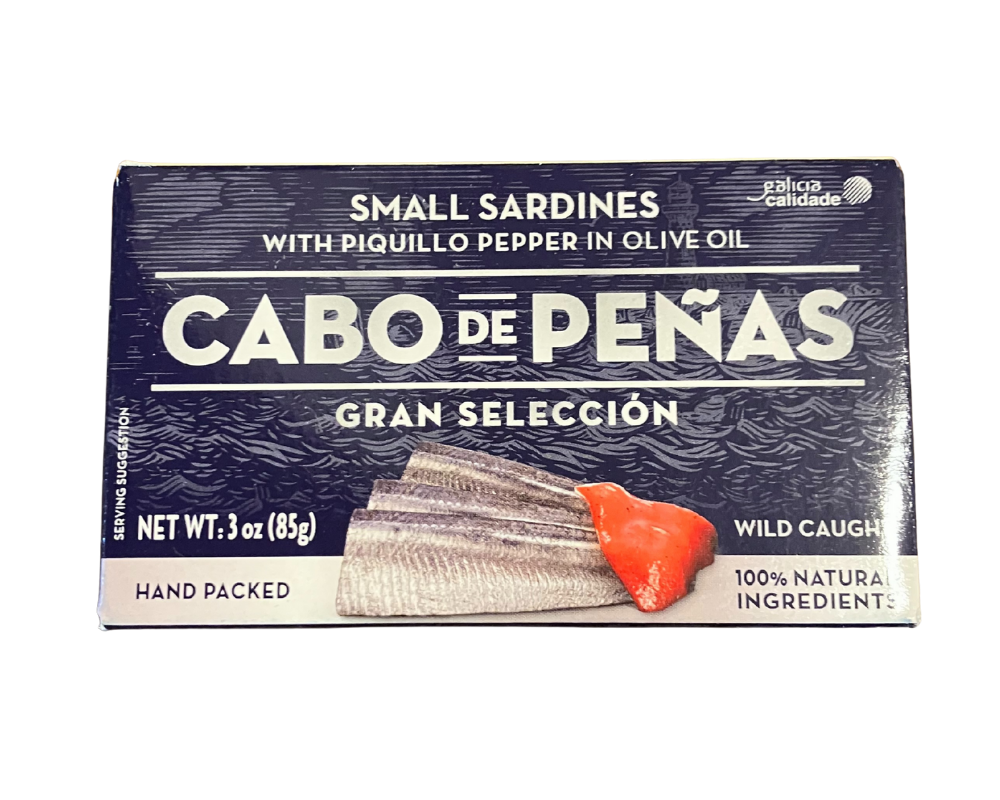
Named after the rugged “Cape of the Cliffs” in Asturias, Cabo de Peñas is a longtime fixture in Spanish pantries. Since the 1960s, they have been producing traditional conservas using time-tested methods and regional ingredients. This tin, from their Gran Selección line, features hand packed sardinillas, small, tender wild caught sardines preserved in olive oil with strips of roasted piquillo pepper, a variety known for its deep red color and sweet smoky flavor.
Based in the fishing town of Candás, the company reflects the everyday cooking traditions of Spain’s northern coast, with a focus on natural ingredients and careful preparation.
Pan con Tomate with Sardinillas and Piquillo
Toast slices of ciabatta until golden and crisp. While still warm, rub the surface of each slice with a peeled clove of garlic. Grate very ripe tomatoes, discarding the skins. Season the tomato pulp with a pinch of salt and a drizzle of olive oil. Spoon over the bread, then top with one or two sardinillas and a strip of piquillo pepper.
The world's best tinned fish, on your table every month.
Three curated tins from small canneries in Portugal, Spain, Denmark and beyond, with the recipes and maker stories that go with them.
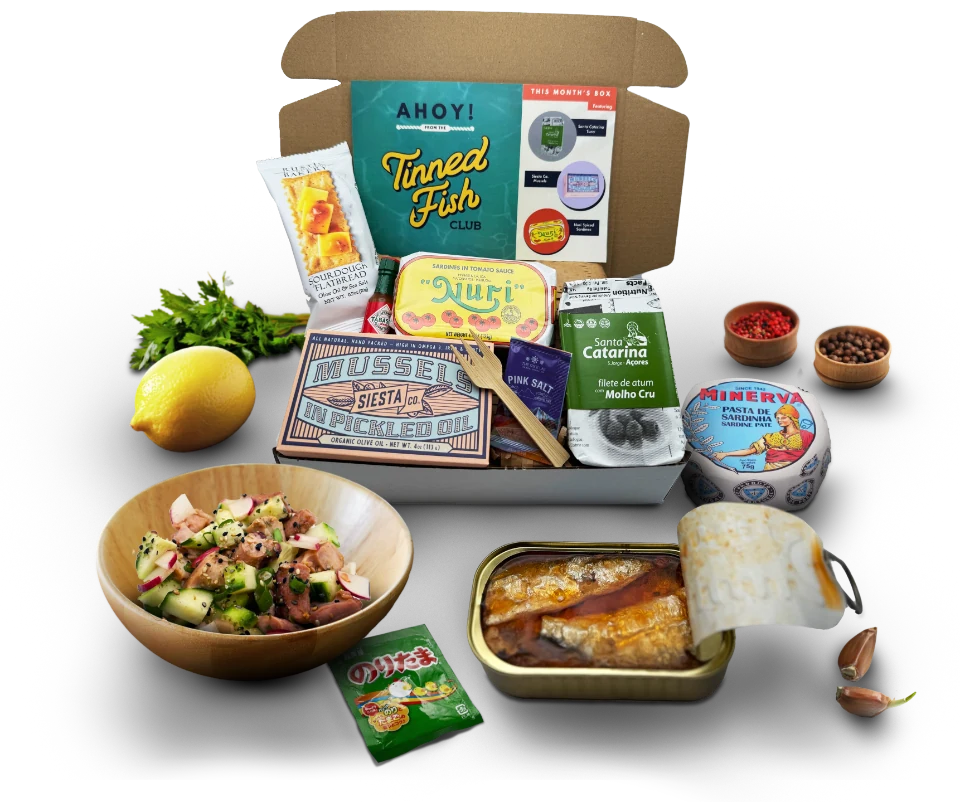
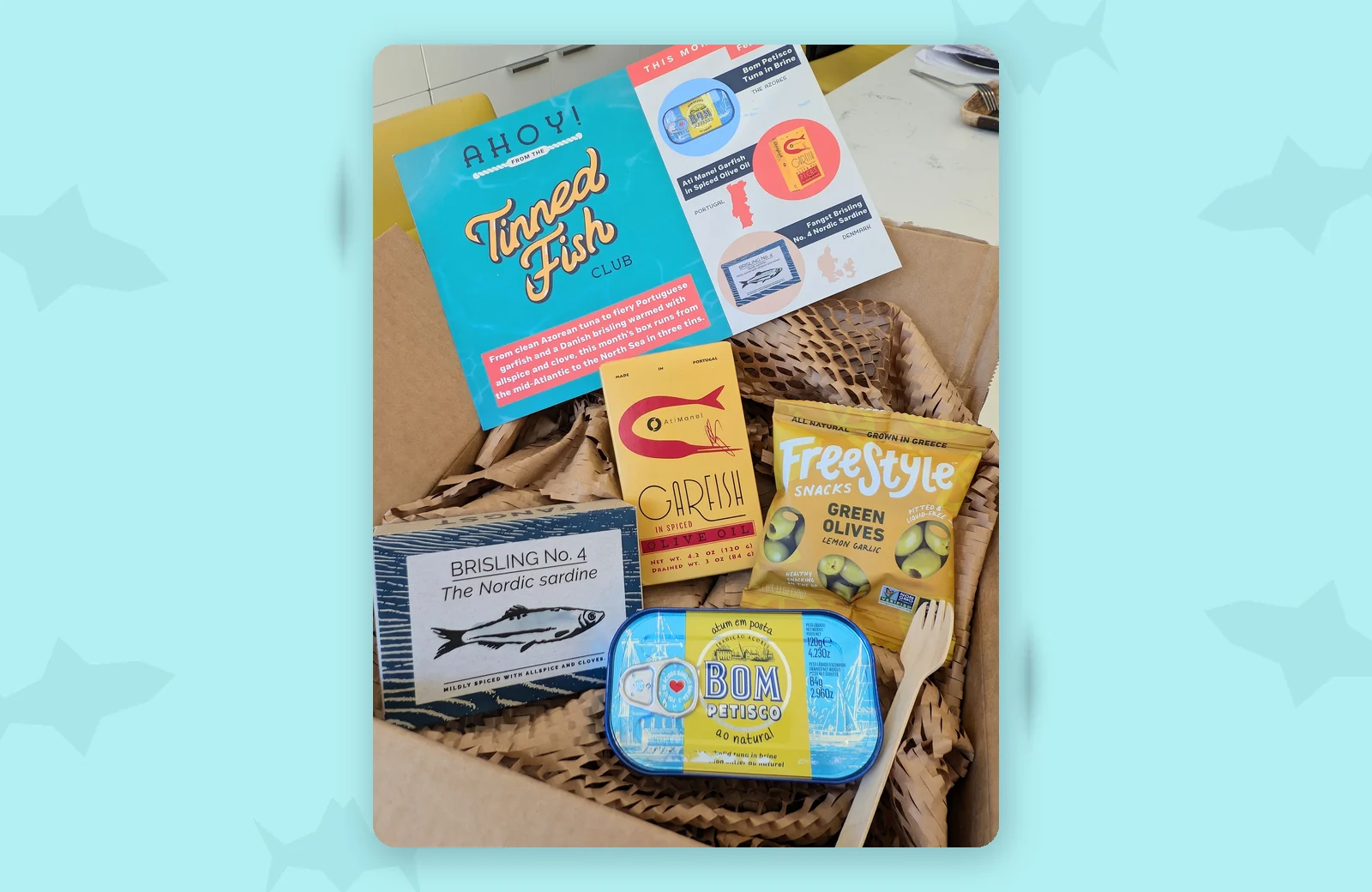
Tinned Fish Club for August 2026: Bom Petisco Tuna in Brine, Ati Manel Garfish in Spiced Olive Oil, Fangst Brisling No. 4
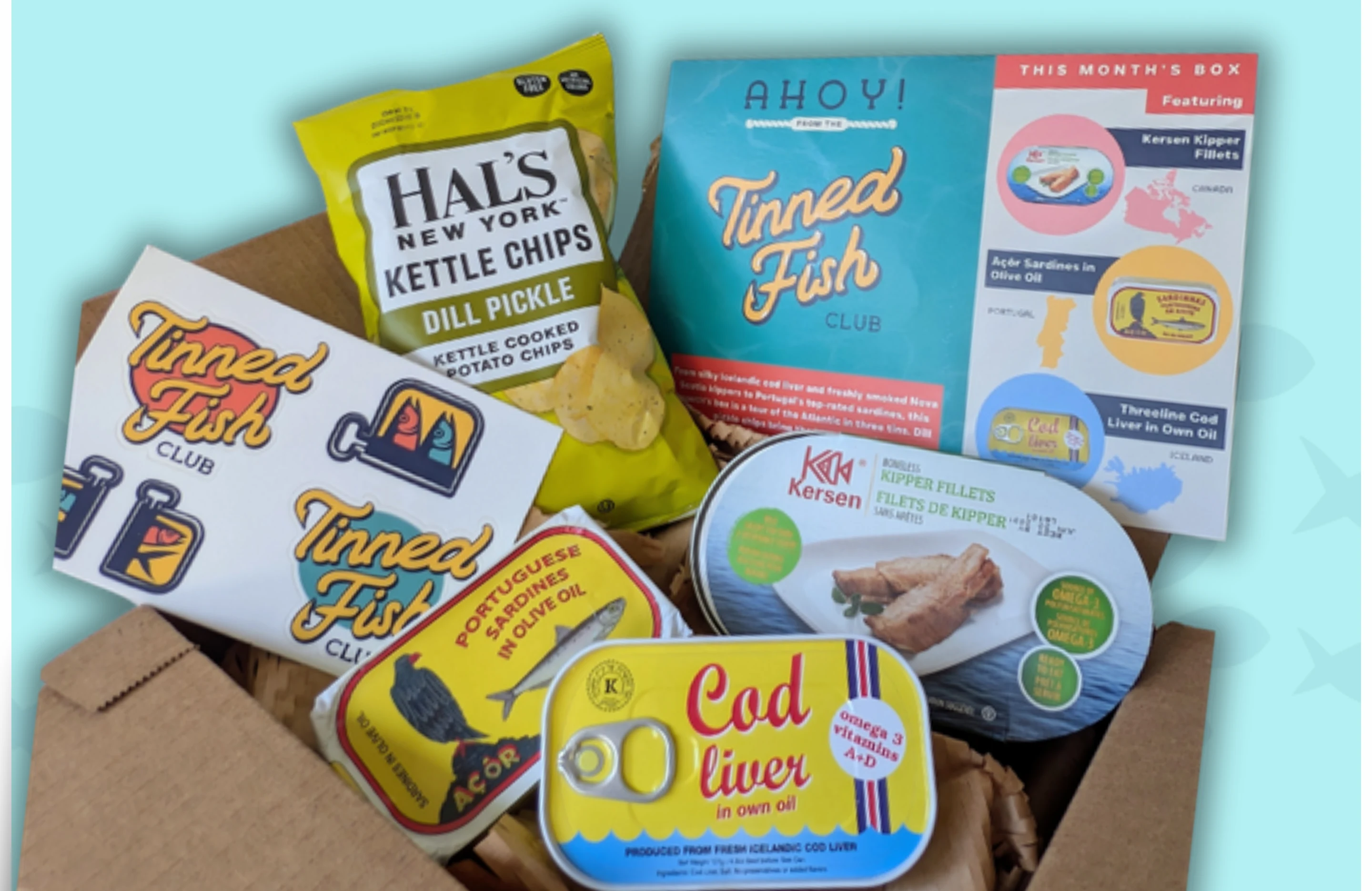
Tinned Fish Club for July 2026: Kersen Kipper Fillets, Açôr Sardines in Olive Oil, Threeline Icelandic Cod Liver